What Size Generator Will Run a House?
Most homeowners start by thinking about what they actually need during a power outage. Lights, the fridge, maybe the air conditioner. Sizing a generator is rarely a quick calculation, since every home draws power differently. Some people only want backup for a few basics, while others expect the entire house to keep running, which is why many rely on experienced generator specialists to sort out the details.
For complete home coverage, generators usually fall between 12,000 and 22,000 watts (12kW to 22kW). Homes with larger air conditioning systems may need more capacity. Units in this range can typically support everyday demands such as refrigerators, lighting, central cooling, and electric water heaters at the same time without pushing the system too hard.
Figuring Out Your Actual Power Requirements
Most homeowners start this process by wandering around their house with a notepad, jotting down appliance wattages from those little stickers nobody ever reads. Smart approach, honestly.
Your refrigerator might need 700 watts to run but 2,100 watts just to start up. Same story with your AC unit, which could demand 3,500 watts at startup but only 1,500 during normal operation. This surge power catches people off guard when their generator shuts down the moment they flip on the air conditioning.
Electric water heaters are power hungry beasts, often requiring 4,000 to 5,500 watts. Gas models use much less electricity since they only need power for controls and fans. Your furnace blower motor typically draws 600 to 1,200 watts, while individual room lights range from 60 to 100 watts each.
Medical equipment needs special attention. CPAP machines, oxygen concentrators, and home dialysis units can't afford power interruptions. Factor these into your calculations early, not as an afterthought.
Generator Categories and Capacity Ranges
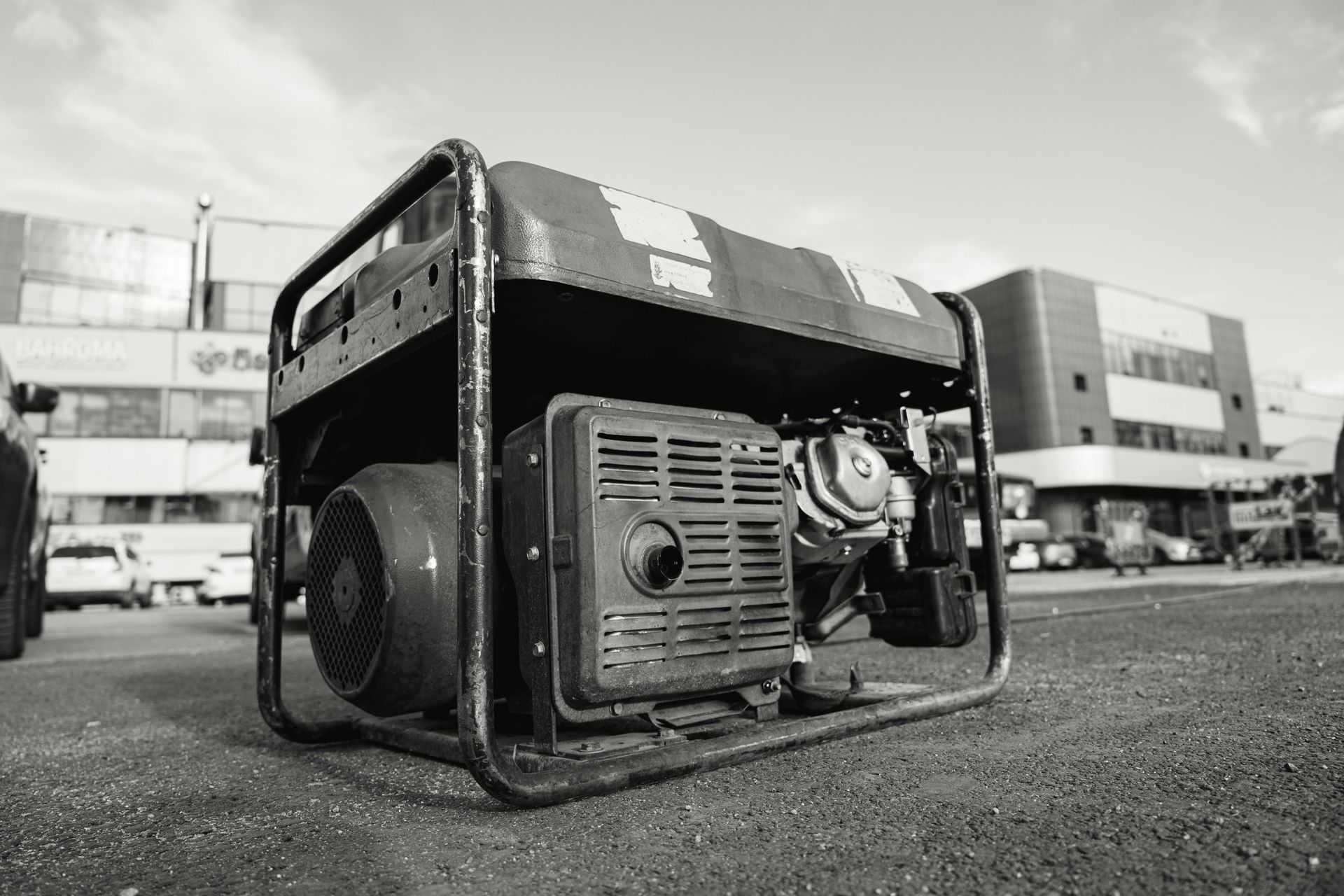
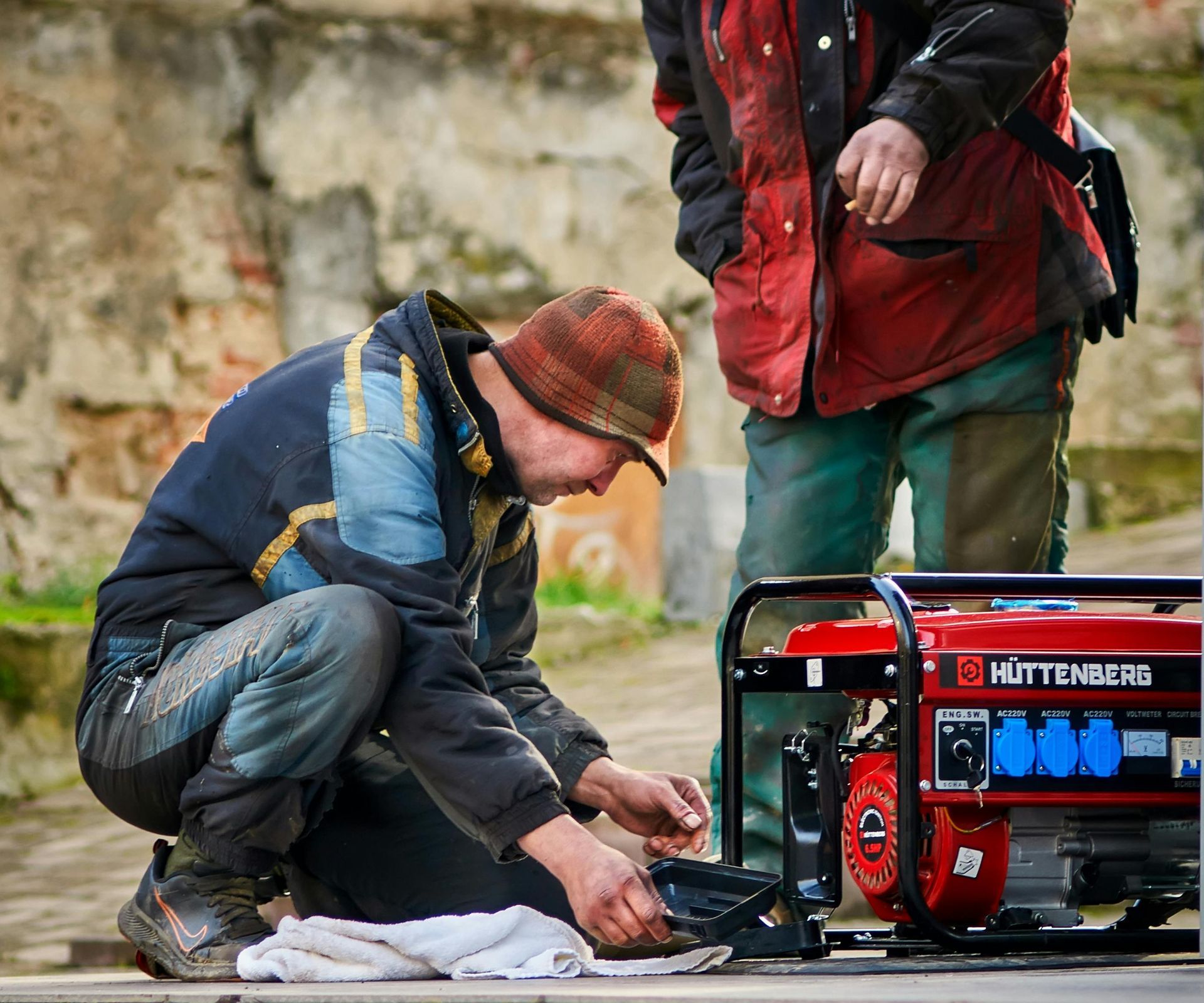
Portable generators typically fall between 3,000 and 8,500 watts. These work well for powering select appliances during outages but won't run your entire house. You'll need to choose between running your refrigerator or your air conditioning, not both.
Standby generators are the heavy hitters, ranging from 7,500 watts up to 25,000 watts or higher. The 12kW to 22kW sweet spot covers most average-sized homes with central air. Larger homes or properties with electric heating systems might need 25kW or more.
Inverter generators offer clean power that's safe for sensitive electronics but typically max out around 4,000 watts. Great for camping or small backup needs, less helpful for whole house coverage.
Fuel Types and Runtime Considerations
Natural gas generators connect directly to your home's gas line, providing unlimited runtime during extended outages. Propane models use tanks that need refilling but store indefinitely without degrading. Gasoline generators are cheaper upfront but gas goes stale quickly and storing large quantities gets complicated.
Diesel generators offer excellent fuel efficiency and longevity but cost more initially. The fuel stores well and provides more power per gallon than gasoline.
Runtime matters more than people think. A 5,000-watt generator might run 8 hours on 5 gallons of gas at half load, but only 4 hours at full capacity. Plan accordingly.
Installation Requirements and Safety
Standby generators need professional installation, period. They require electrical transfer switches, gas line connections, and concrete pads. Most areas require permits and inspections.
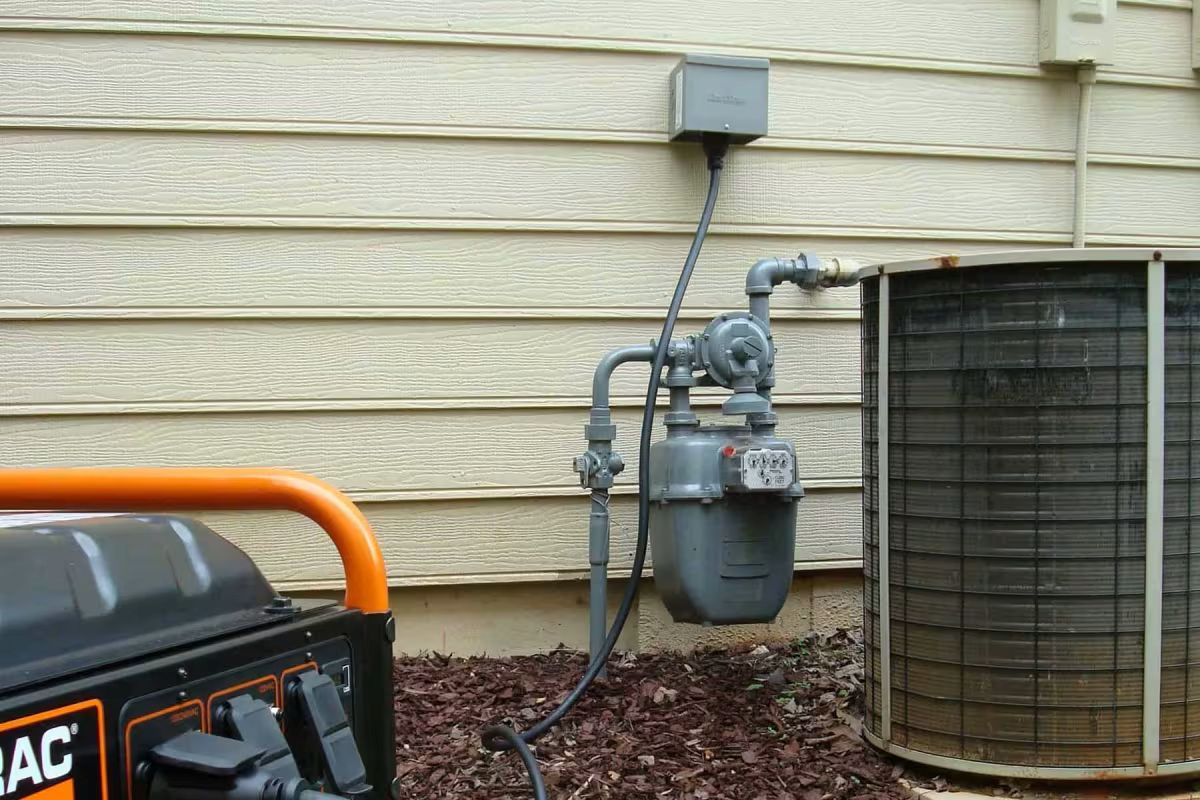
Portable units need proper placement too. Carbon monoxide kills, so never run generators inside garages, basements, or near windows. The 15-foot rule isn't just a suggestion. Extension cords rated for outdoor use become necessary when positioning generators safely away from your house.
Transfer switches prevent backfeeding electricity into utility lines, which can electrocute line workers. Manual transfer switches cost less but require you to flip switches during outages. Automatic switches cost more but start your generator and switch circuits without any input from you.
Sizing for Different Home Types
Small apartments or condos often get by with 3,000 to 5,000-watt portable units. These handle refrigeration, lights, and small appliances but forget about central air.
Average suburban homes typically need 10,000 to 15,000 watts for partial coverage or 15,000 to 20,000 watts for whole house backup. Homes over 2,500 square feet with electric heating or multiple AC zones often require 20,000 watts or more.
Rural properties with wells, septic pumps, and outbuildings might need 25,000-watt systems or multiple smaller generators working together.
Budget and Long-term Costs
Portable generators start around $500 for basic 3,000-watt units and reach $2,000 for high-end 8,500-watt models. Installation costs stay minimal since you just wheel them outside and plug things in.
Standby generators range from $3,000 for small 10kW units to $15,000 or more for large whole-house systems. Installation adds another $3,000 to $6,000 depending on complexity. That natural gas line won't run itself.
Factor in maintenance costs. Oil changes, filter replacements, and annual service visits add up. Standby units need professional maintenance while portable generators allow DIY upkeep.
Making Your Final Decision
Calculate your absolute minimum power needs first. Refrigeration, heating/cooling, lights, and any medical equipment. This gives you a baseline generator size that keeps life bearable during outages.
Next, list your comfort items. Coffee makers, televisions, computers, and other devices that make extended outages tolerable. Add their wattage to your baseline.
Compare the total against generator options in your budget. Remember that buying slightly more capacity than you think you need usually works out better than cutting things too close.
Weather patterns in your area matter too. If you typically lose power for just a few hours, a portable unit might suffice. Multi-day outages from ice storms or hurricanes justify investing in a whole-house standby system.
The right generator size balances your power requirements, budget constraints, and local conditions. Take time to calculate accurately rather than guessing. Your future self dealing with the next power outage will thank you for doing the homework upfront.
Contact Us
At Nathan Snyder Electric LLC, we're here to assist you with all your electrical needs, from generator installations to electrical service upgrades. Our team is ready to provide reliable and professional service.
Phone: (405) 477-1883
Email: snyderelec@gmail.com
Address: 115 E Main St, Calumet, OK 73014
Business Hours:
- Monday - Friday: 7:00 AM-5:00 PM
Prefer to reach out online? Use ourcontact form to send a message, and we'll respond promptly.
Related Topics: