What Is an Electrical Circuit in Simple Terms?
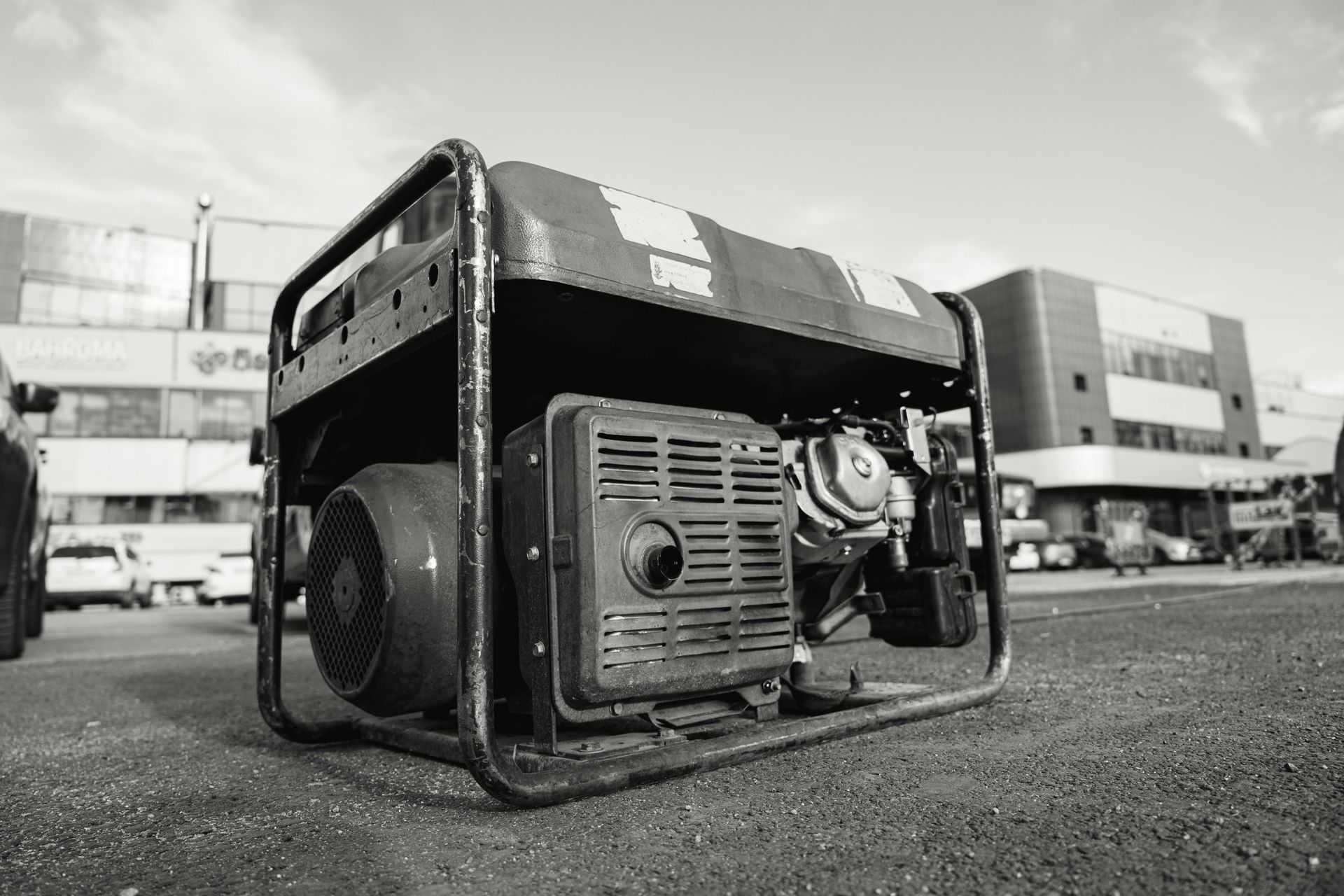
An electrical circuit can sound technical at first, but it really describes something people use every day without thinking about it. Homes, offices, and backup systems supported by professional generator dealer services all depend on circuits to keep power moving where it is needed. This topic breaks down how circuits work, what they are made of, and why different layouts exist. By the end, the idea should feel familiar rather than complicated.
Definition of Electrical Circuit
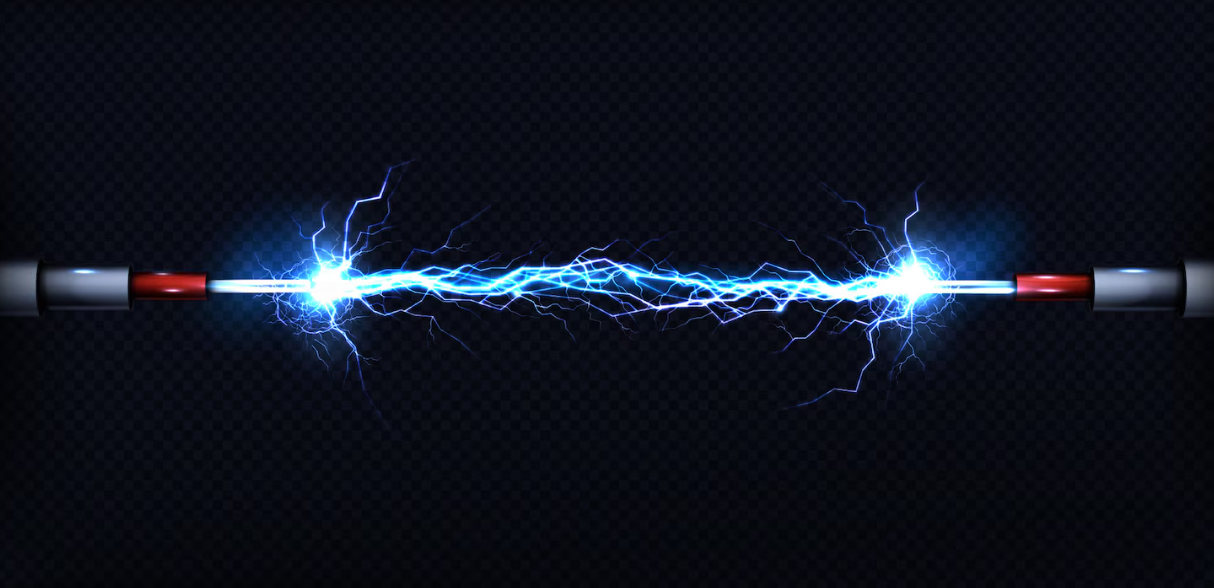
An electrical circuit is a complete path that electricity follows to do its job. Power starts at a source, moves through connected parts, and returns to where it began. If that path stays intact, electricity keeps flowing. If it breaks, the flow stops. This simple rule explains why lights turn off when a switch opens the circuit and why devices stop working when a wire is damaged.
Components of an Electrical Circuit
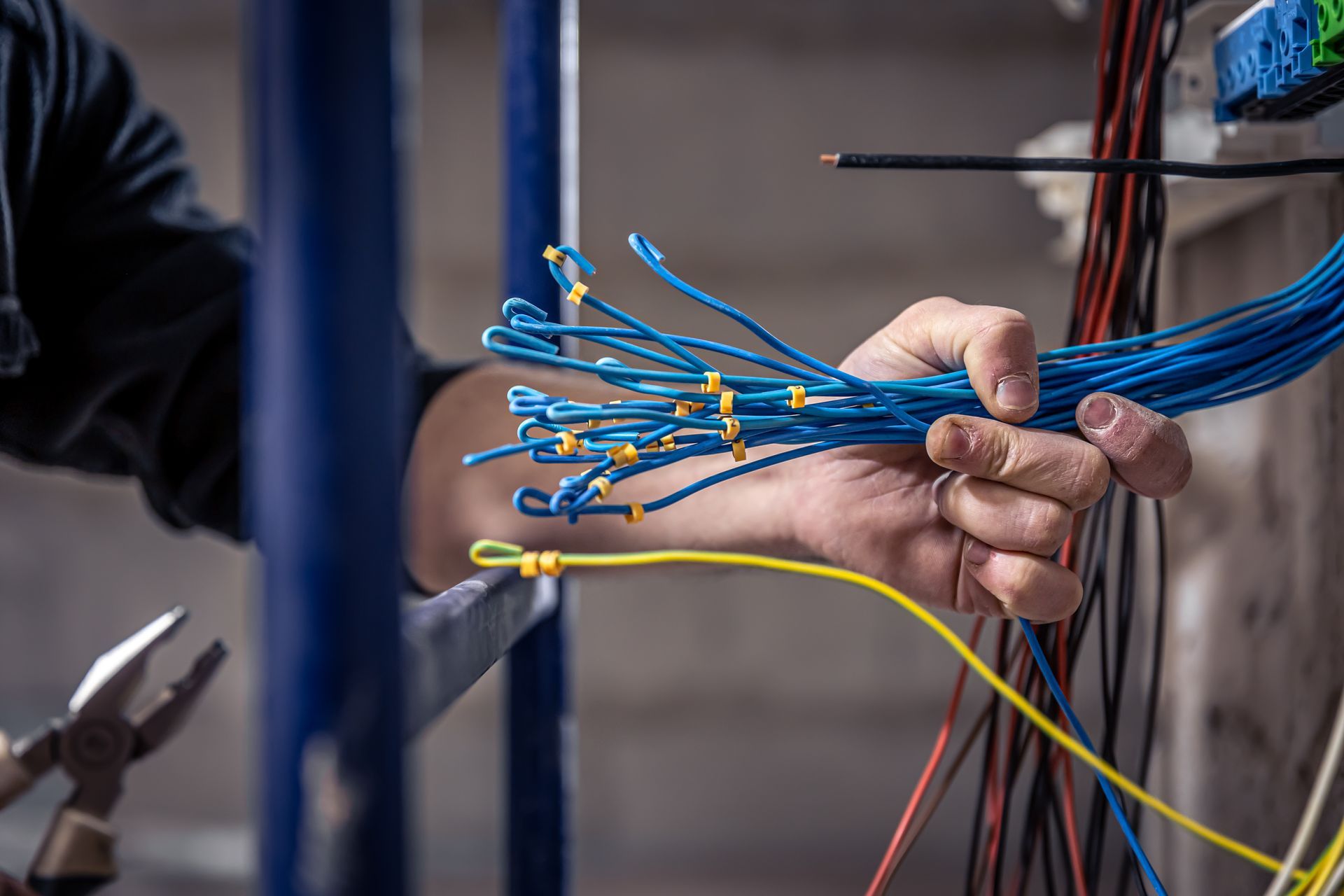
Circuits rely on a few basic parts that each serve a purpose. A power source supplies energy. Wires guide electricity from place to place. Resistors slow the flow so devices do not receive more current than they can handle. Capacitors hold small amounts of energy and release it when conditions change. Inductors respond to changes in current as electricity moves through them. Together, these parts shape how electricity behaves inside the circuit.
How Electrical Circuits Work
A circuit works because electricity moves when there is a difference in electrical pressure. This pressure pushes electrons through wires and components in a steady direction. As the current passes through the circuit, each part affects it in a specific way. Some parts reduce the flow, others store energy briefly, and some control when the circuit is active. As long as the path remains complete, the circuit continues to operate.
Types of Electrical Circuits
Circuits are not all built the same way. Some are designed so electricity follows one continuous route. Others allow electricity to split and travel along separate paths. There are also setups that mix both approaches to match the needs of the system. The way a circuit is arranged affects how power is shared and how the system reacts when something stops working.
Series vs. Parallel Circuits
In a series circuit, electricity travels through every component one after another. The same current moves through the entire path, which means a single failure can shut everything down. Parallel circuits work differently. Electricity has more than one route to follow, so each section receives power on its own. This setup allows devices to keep running even if one part fails, which explains why it is commonly used in buildings.
Importance of Electrical Circuits
Electrical circuits make controlled power possible. They allow energy to be delivered safely, predictably, and efficiently. Proper circuit design helps protect equipment, reduce risk, and maintain steady operation. Whether powering simple devices or supporting larger electrical systems, circuits form the structure that keeps electricity usable and reliable.
Related Topics:
- How to Safely Replace an Electrical Outlet at Home
- How to Fix a Generator That Is Not Producing Power