How to Fix a Generator That Is Not Producing Power
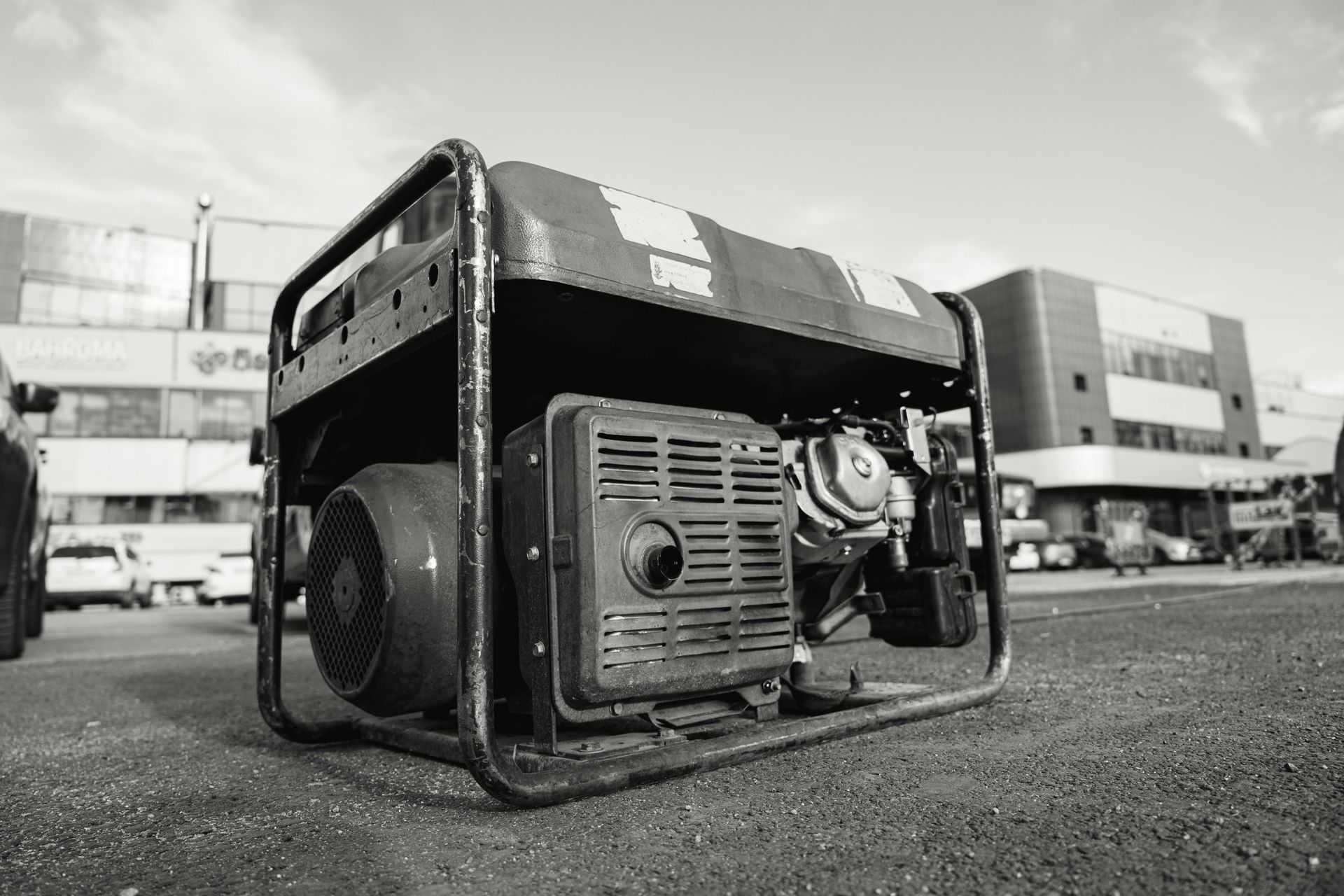
If your generator isn’t putting out power, it can be frustrating, especially during an outage. I usually start by checking the fuel because, believe it or not, that’s often where the problem hides. Make sure the tank has clean fuel, and if it’s been sitting for a while, drain the old stuff and refill. Check that the fuel valve is open and nothing’s clogging the lines. Sometimes the generator seems dead, but it just needs fresh gas. If these steps don’t help, it’s worth calling preferred local Generac dealers for advice or parts. After the fuel, you’ll want to check the spark plug, air filter, circuit breaker, carburetor, and alternator, one step at a time.
Check the Fuel Supply
I like to make sure there’s actually fuel getting to the engine first. Look inside the tank to see if the gasoline is fresh. Old gas can gum things up fast. The lines can crack or get blocked, so a quick visual inspection helps. Make sure the valve that lets fuel into the engine is open. If the generator sat unused for months, old fuel can be the culprit, so draining and refilling is usually worth it. Getting the fuel right often solves a lot of problems before moving on to more complicated checks.
Inspect the Spark Plug
Next, I take a look at the spark plug. It might sound basic, but a worn or dirty plug can stop the generator from firing at all. Disconnect the wire, remove the plug, and check for carbon buildup, corrosion, or cracks. The electrode gap matters too, if it’s off, replace the plug. Sometimes I clean it with a wire brush, but often a new plug is safer. The spark plug is what actually ignites the fuel, so if that’s off, the engine won’t run, and there’s no power coming out.
Examine the Air Filter
A blocked air filter is sneaky because the engine might run, but not produce full power. Open the housing and see if it’s dirty or clogged. Dust and debris can reduce airflow, which makes the engine struggle. Cleaning can help for lightly dirty filters, but if it’s beat up, swapping it out is the better move. A clean filter keeps the combustion process smooth, and the engine breathes properly, which is crucial if you want power coming out of the generator.
Test the Circuit Breaker
The circuit breaker can trip and make it seem like the generator isn’t producing power. I usually flip it off and back on to reset it. If it trips immediately, that’s a sign of overload or a short somewhere. Disconnect anything plugged into the generator and try again. If it keeps tripping, the issue might be internal wiring or components, which is when a professional check or advice from preferred local Generac dealers comes in handy. This step helps figure out if it’s electrical rather than mechanical.
Adjust the Carburetor
If the engine runs but the power output is weak, the carburetor might need adjusting. The idle mixture screw and idle speed screw control the fuel-air balance. I turn the mixture screw carefully, listen to the engine, and tweak slowly. Too much adjustment and the engine sputters; too little and it won’t run efficiently. Patience here pays off, once the mixture is right, the generator runs smoothly, and the power output improves.
Service the Alternator
The alternator is what actually produces electricity, so if everything else looks fine, I check this next. Inspect the wiring, look for loose connections or corrosion, and check the brushes and commutator. Clean off any carbon buildup, test the diodes with a multimeter, and make sure the rotor spins freely. Check the stator windings for breaks or shorts. Sometimes servicing this can restore power, but if there’s serious damage, it’s safer to get a professional or contact preferred local Generac dealers for repair or replacement.
Related Topics:
- What Is the Safe Distance Between a Generator and a House
- How Does a Solar Generator Work in Real-World Conditions