How to Install a Generator Transfer Switch Safely at Home
A transfer switch is one of those things most homeowners don't think about until the power goes out. This device lets your generator kick in automatically or manually when you lose electricity, keeping your home running without risky extension cord setups. Installing one yourself is doable if you're comfortable with basic electrical work, but it's not a beginner project. Many local Generac dealers offer installation services if you'd rather leave it to the pros. This guide walks you through the process step by step so you know exactly what's involved.
Generator Transfer Switch Overview
A generator transfer switch connects your backup generator to your home's electrical system. It allows power to shift from the utility grid to your generator during an outage without having to unplug and reconnect anything manually. There are three main types: manual, automatic, and load center switches. Manual switches require you to flip the switch yourself when the power goes out. Automatic switches detect the outage and switch over on their own. Load center switches combine a transfer switch with a circuit breaker panel, simplifying installation. Knowing which type fits your setup helps you pick the right one for your home.
Required Tools and Materials
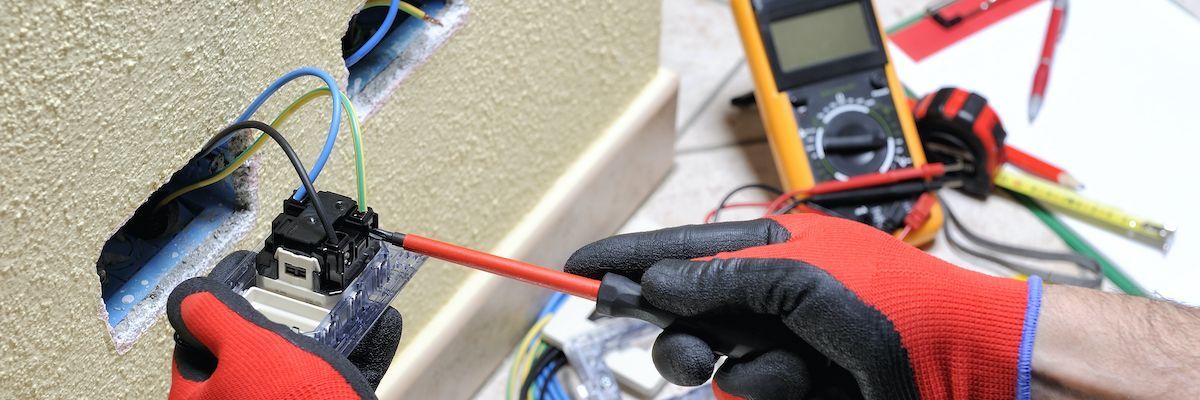
You'll need a few things before starting this project. Grab a screwdriver set (both flathead and Phillips), wire cutters, wire strippers, a voltage tester, and a drill with the right bits for your wall type. You'll also need a generator transfer switch kit, which usually includes the switch unit, wires, connectors, and instructions. Make sure everything matches your electrical system and generator specs to avoid problems down the line. Safety gear matters, too. Get some gloves, safety glasses, and a voltage detector to protect yourself while you work.
Turn Off Power Supply
Before touching anything, shut off the power to your electrical panel. Find your main electrical panel and locate the main circuit breaker. It's usually the biggest switch at the top. Flip it to the "off" position by pushing it firmly to the opposite side. Double-check that power is actually off by checking whether the lights and appliances still work (they shouldn't). For extra safety, use a non-contact voltage tester to confirm no electricity is flowing through the circuits you'll be handling. Skipping this step can lead to serious injury, so don't rush it.
Install the Transfer Switch
Once the power is turned off, mount the transfer switch near your main electrical panel. Pick a spot that's easy to access but out of the way of foot traffic or storage. The area should be dry and well-ventilated to prevent electrical issues. Attach the switch securely to the wall using the right screws or mounting hardware for your wall type. Check that the switch is oriented correctly so it operates smoothly. Leave enough room around it for any future maintenance or repairs. Follow the manufacturer's instructions closely; each model can be a little different.
Connect Generator to Switch
Now it's time to hook up your generator to the transfer switch. Getting this connection right is key to safe operation.
- Check Voltage Compatibility: Ensure your generator's output voltage matches the transfer switch's requirements. Mismatched voltage can damage your equipment.
- Use Proper Wiring: Run the correct-gauge wires through conduit to securely connect the generator to the switch.
- Verify Grounding: Both the generator and the transfer switch must be properly grounded to prevent electrical hazards. A grounding rod adds an extra layer of protection.
Test the Transfer Switch
After everything is connected, run some tests to make sure it all works. Start by checking that the switch can move power between the utility and the generator. Flip the switch manually to see if it transitions smoothly. Then simulate an actual outage by turning off your main power and watching if the transfer switch activates the generator correctly. Check the switch's indicators to confirm they're showing the correct power status. Connect a few devices to the generator to see if the switch handles the load without issues. These tests confirm your setup is ready for the next real outage.
Related Topics: