How to Make a Generator Quiet for Home or Outdoor Use
Generators are lifesavers during power outages, but the noise they produce can be a real headache. This guide covers practical ways to cut down on that racket so you can run your unit without annoying yourself or your neighbors. We'll walk through picking the right model, building enclosures, using vibration pads, positioning tips, and maintenance basics. Trusted Generac dealers can also point you toward quieter models if you're shopping for a new one. Let's get into what actually works.
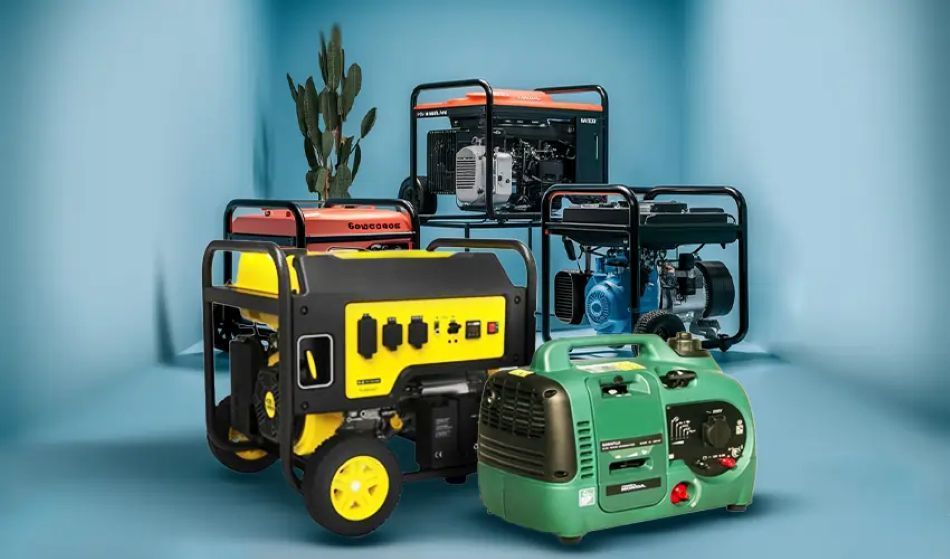
Choose a Quiet Generator Model
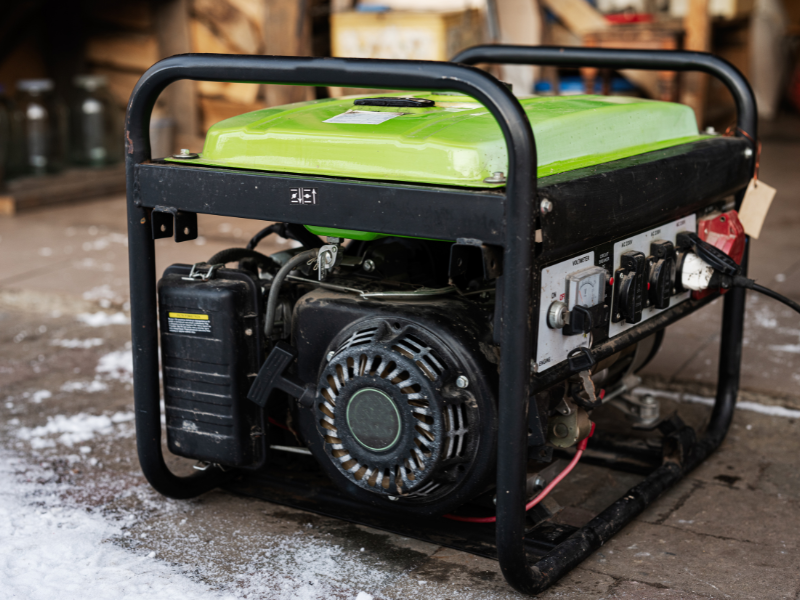
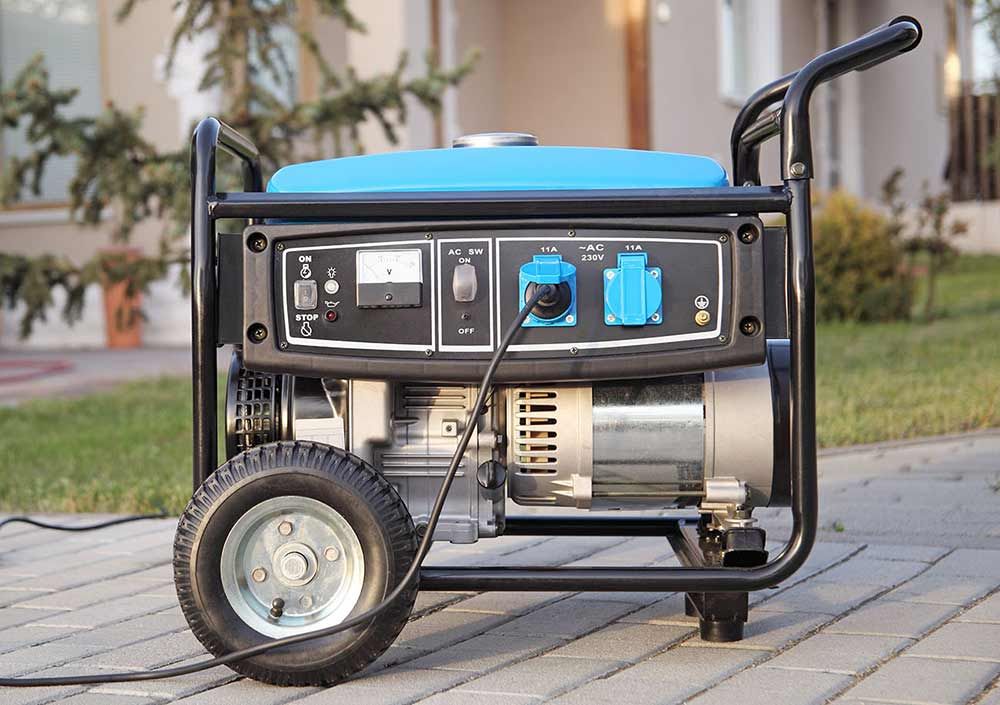
Start by checking the decibel (dB) rating of any generator you're considering. Lower numbers mean less noise; some models are built specifically to run quieter than others. The engine type, exhaust system, and overall build quality all affect how loud the thing gets when it's running. Inverter generators tend to be quieter than conventional ones, so keep that in mind if noise is a priority. Do your homework before buying, and you'll save yourself a lot of frustration later.
Install a Soundproof Enclosure
A soundproof enclosure wraps around your generator, trapping the noise inside. You can buy one or build your own using materials that absorb sound well, such as mass-loaded vinyl, acoustic foam, or specialized barrier panels. Make sure the enclosure has enough ventilation so your generator doesn't overheat while it's boxed in. Seal up any gaps or cracks where sound can leak out. Done right, an enclosure makes a huge difference in how much noise reaches your ears and your neighbors.
Use Anti-Vibration Pads
Vibration pads sit under your generator and absorb the vibration during operation. This stops those vibrations from traveling through the ground or the surface the generator sits on, reducing noise levels noticeably. Look for pads made from rubber or neoprene; these materials do the best job of absorbing movement. Make sure the pads are rated for heavy equipment, such as generators. Follow the setup instructions that come with them for the best results.
Position the Generator Correctly
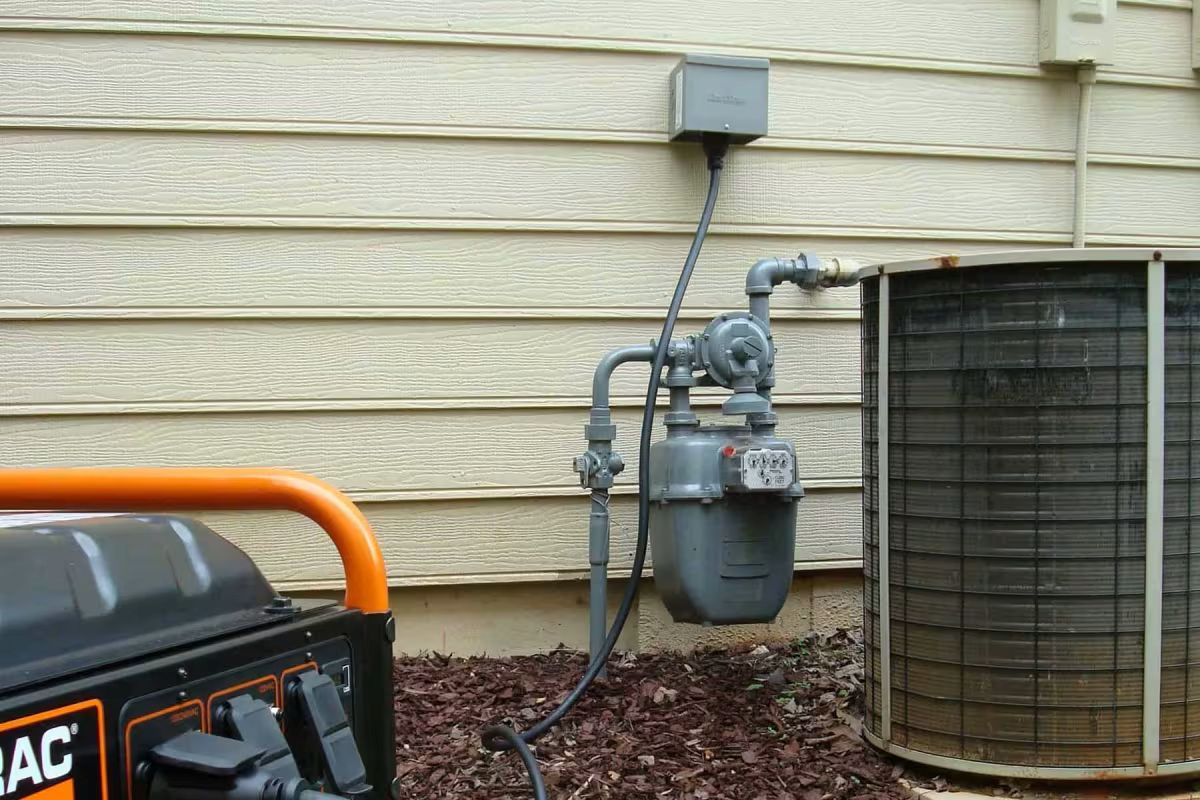
Where you put your generator matters more than you might think. Set it on a flat, stable surface, such as a concrete pad or a thick rubber mat, to reduce vibration transfer. Point the exhaust pipe away from your house and any walls or fences where sound can bounce back and amplify. Place the generator behind a barrier, such as a shed wall or fence, to reduce noise. Leave enough space around the unit for airflow. Good ventilation keeps it from overheating and running louder than it should.
Maintain Regular Maintenance
Keeping up with basic maintenance helps your generator run more smoothly and quietly. Here's what to stay on top of:
- Routine Oil Changes: Change the oil on the schedule your manufacturer recommends. Fresh oil reduces friction in the engine, which means less noise.
- Air Filter Checks: Clean or replace the air filter regularly. A clogged filter makes the engine work harder and run louder.
- Spark Plug Swaps: Replace spark plugs at the recommended intervals. Good spark plugs mean better ignition, less vibration, and quieter operation.
Skipping maintenance can cause a generator to run rough and loud, so don't let it slide.
Consider Noise Reduction Accessories
If you want to go further, look into aftermarket accessories designed to quiet things down. Soundproof enclosures (as mentioned above) and exhaust mufflers are the two big ones. Mufflers attach to the exhaust outlet and use internal chambers to dampen the sound as gases exit the generator. Pairing a muffler with an enclosure gives you the best overall noise reduction. These add-ons aren't always cheap, but they're worth it if you need your generator to run as quietly as possible for home or outdoor use.
Related Topics: