What Is the Safe Distance Between a Generator and a House?
Generator placement isn't something you want to wing - get it wrong, and you're looking at serious safety risks from carbon monoxide poisoning to fire hazards. Whether you're setting up a portable unit for emergency backup or working with recommended Generac dealers in Oklahoma City to install a permanent standby system, understanding proper spacing requirements can literally save lives. This guide covers everything from minimum distance requirements to exhaust considerations, helping you position your generator correctly for both safety and peak performance.
Importance of Generator Placement
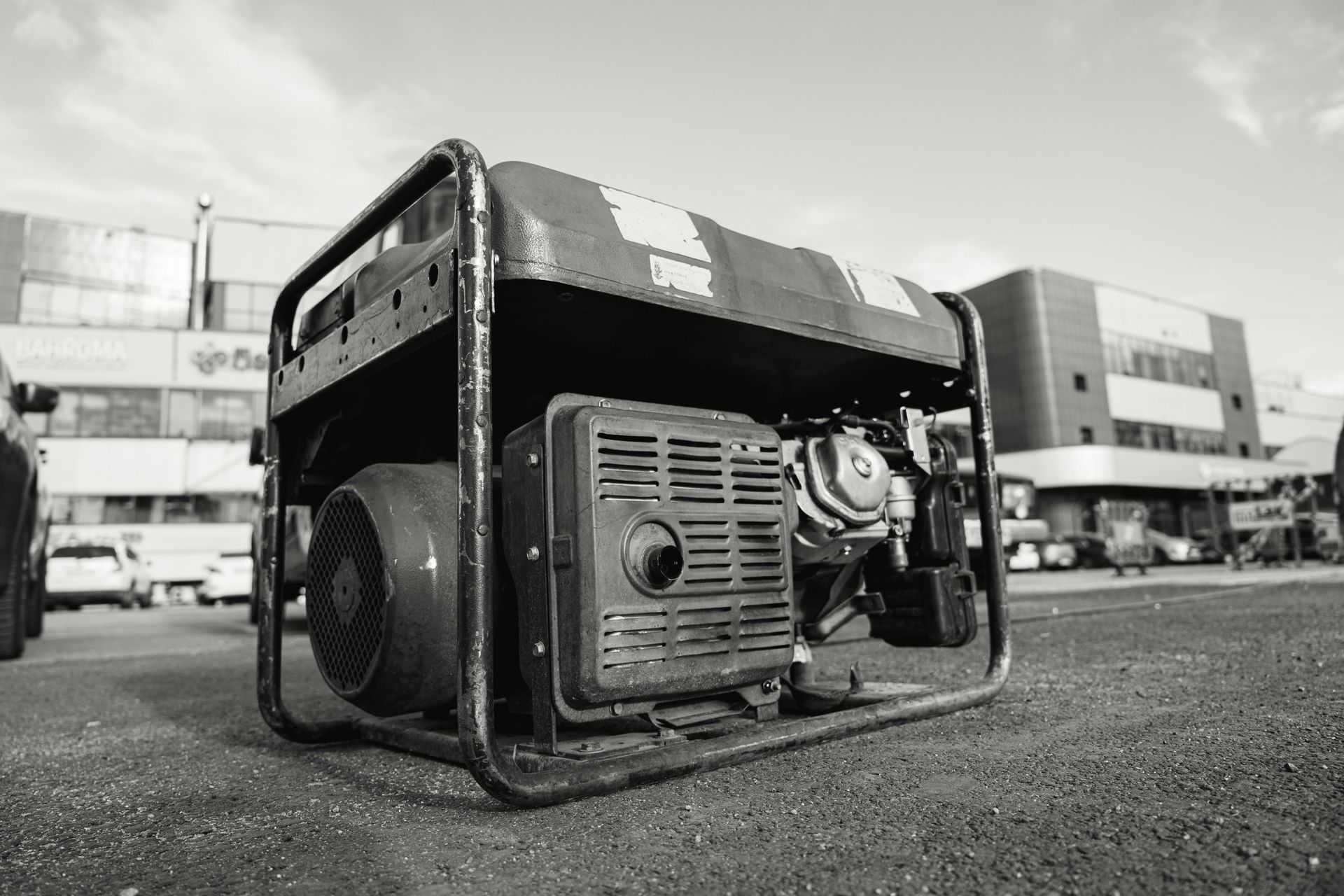
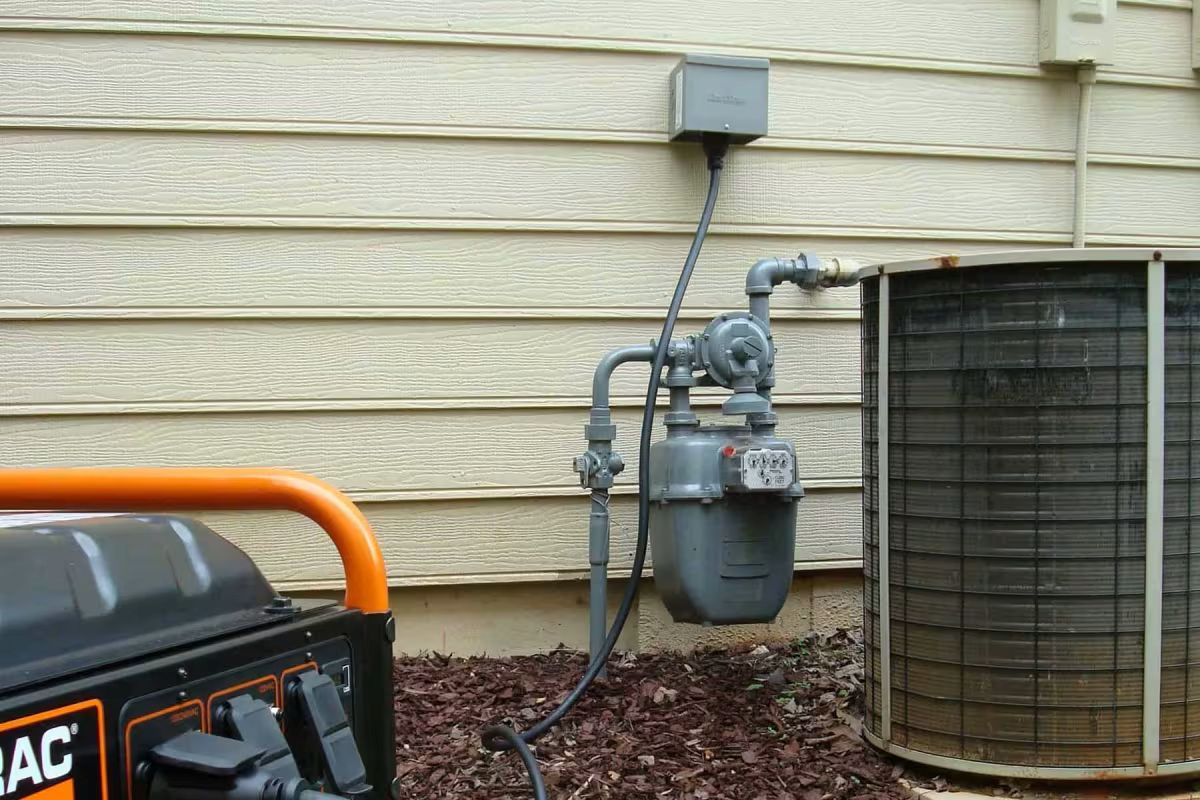
Getting your generator location right matters way more than most people realize. Generators need to run outdoors in well-ventilated areas - no exceptions. Carbon monoxide builds up fast in enclosed spaces, and it's not something you'll smell or see until it's too late. The generator should sit at least 20 feet from your house to avoid fire risks and keep exhaust fumes from sneaking back inside. Rain and snow are enemies here, so you'll want some kind of cover that still allows airflow. A stable, level surface prevents tipping, fuel leaks, and all kinds of headaches down the line. Whatever clearance space the manufacturer recommends around the unit, stick to it - that's not just for airflow, but also so you can actually access the thing when maintenance time rolls around.
General Safety Guidelines
Operating a generator safely means following some non-negotiable rules. Always run it outdoors where air can move freely - garages, basements, and covered patios don't count as "outdoors" no matter how much you crack a window. Set it up on dry, level ground to cut down on electrical shock risks. Check the unit regularly for wear, loose connections, or damage before each use. The manual that came with your generator has specific instructions for setup, running, and upkeep - actually read that thing instead of guessing. Don't push the generator past its wattage capacity, or you're asking for overheating and potentially a fire. Keep gas cans, propane tanks, and anything else flammable well away from the running unit. Never, and I mean never, refuel while the engine's still hot or running. These aren't suggestions - they're requirements if you want to avoid disasters.
Distance for Portable Generators
Portable generators need serious breathing room from your house. That 20-foot minimum isn't arbitrary - it's the distance where carbon monoxide concentrations drop enough to be safer. Exhaust fumes contain deadly CO gas that can seep into your home through any opening, so distance is your first line of defense. Position the unit away from windows, doors, and vents so fumes can't find their way inside even when wind direction shifts. The ground underneath should be flat and dry to prevent the generator from tipping over or leaking fuel. Walk around the area regularly while it's running to make sure nothing's blocking airflow or creating new hazards. The extra steps you take in positioning a portable generator properly make all the difference between safe backup power and a trip to the emergency room.
Proximity for Standby Generators
Standby generators get installed permanently, which means getting the distance right the first time. Most installations work best with at least 18 feet of clearance from the house, though some building codes require more. This spacing does double duty - it keeps exhaust gases from accumulating near your home while making sure the unit has enough air circulation to run efficiently. Your standby needs to sit on solid, level ground, typically a concrete pad that can handle the weight and vibration. Local building codes and manufacturer specs both factor into exact placement, so you can't just eyeball it and call it good. Proper spacing makes routine maintenance way easier since technicians need access to all sides of the unit. The distance also dampens noise levels and keeps heat from the exhaust from affecting your house. Getting this right means your standby system will run reliably for years without creating problems.
Considerations for Exhaust Fumes
Exhaust fumes from generators pack carbon monoxide, which kills people every year because it's invisible and odorless. You won't know it's there until symptoms hit, and by then it might be too late. That's why the 20-foot minimum distance from any occupied building is non-negotiable. Ventilation matters as much as distance - fumes need somewhere to go that isn't into your house. Point the exhaust away from buildings, and never position a generator near windows, doors, or any vents that could pull fumes inside. Wind patterns change, so what seems like a safe spot one day might funnel exhaust straight to your bedroom window the next. Check the exhaust system regularly for leaks, cracks, or blockages that could cause fumes to build up in dangerous concentrations. Carbon monoxide detectors inside your home add another layer of protection, but they're a backup - not a substitute for proper generator placement.
Professional Installation Recommendations
Having professionals handle generator installation eliminates guesswork and keeps you code-compliant. Installers follow manufacturer guidelines and local regulations that cover everything from placement to electrical connections. The generator needs to sit on stable ground, usually a concrete pad that prevents shifting and settling over time. Ventilation requirements get calculated based on the unit's size and output - bigger generators need more clearance. Spacing from the house has to meet fire safety standards while keeping exhaust fumes from becoming a problem. Proper grounding and electrical hookups prevent shock risks and ensure the transfer switch works correctly when power goes out. Professional installers know which permits you need and handle the inspection process. They'll also set you up with a maintenance schedule that keeps the unit running reliably. Trying to DIY a generator installation might save money upfront, but mistakes can cost way more when something goes wrong.
Related Topics: