What Is an Electrical Conductor and How Does It Work?
You flip a switch, and the lights come on. You plug in your phone, and it charges. Simple, right? But there's actually some interesting physics happening behind the scenes. Electrical conductors are what make all of this possible - they're materials that let electricity flow through them with minimal pushback. If you're picking up equipment from a local generator dealer or just trying to understand why your electrician keeps talking about copper wiring, this is the foundation you need. We're breaking down what separates good conductors from bad ones, the different types you'll run into, and the actual mechanics of how electricity moves through these materials.
Definition of Electrical Conductors
So what makes something a conductor? It's all about free electrons. Some materials have electrons that aren't tightly bound to their atoms - they can move around freely. That's what lets electricity flow. Conductors are materials where this electron movement happens easily, without much resistance getting in the way.
The atomic structure determines everything here. Copper's got tons of free electrons just waiting to move. Same with silver and aluminum. That's why you see these metals everywhere in electrical work. Insulators are the opposite - their electrons are locked down tight. No movement means no electricity flow. When someone's designing an electrical system, they need materials that'll move power efficiently without fighting it at every step. That's where understanding conductors becomes non-negotiable.
Types of Electrical Conductors
Not all conductors work the same way. Metals dominate the conductor world. Copper shows up in most residential wiring. Aluminum gets used for power lines because it's lighter. Silver's actually the best conductor, but it's too expensive for most applications. These metals all share that key trait - loads of free electrons ready to move.
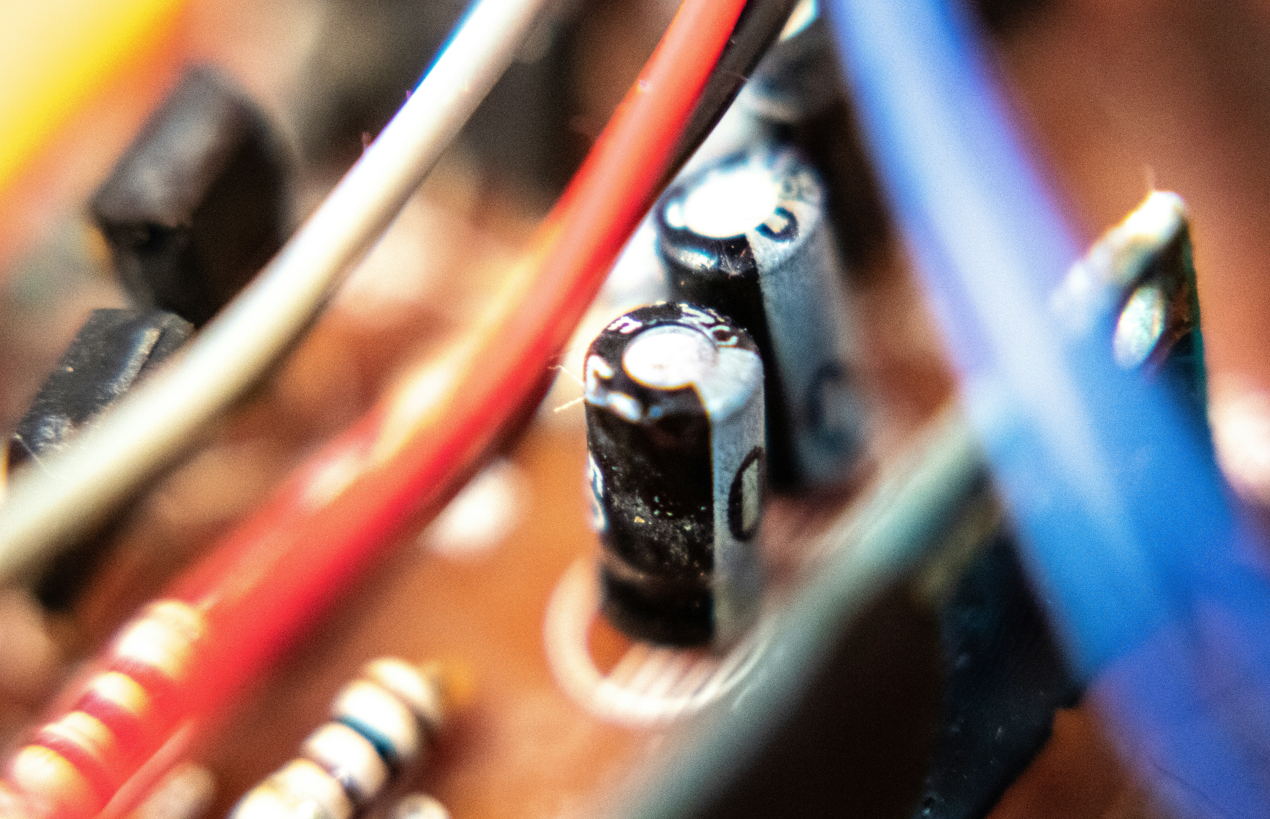
Semiconductors are weird. They're not as conductive as metals, but they're not insulators either. Silicon's the famous one here. It sits in that middle zone where its conductivity can be tweaked. Engineers add impurities (called doping) to change how it behaves. That's how we get all the transistors and diodes that run modern electronics.
Then you've got electrolytes, which work totally differently. These are usually liquids or gels - think saltwater or battery acid. They conduct electricity by moving ions around instead of electrons. Different mechanism, same result.
Conductivity and Resistance Explained
Here's the thing about conductivity and resistance - they're flip sides of the same coin. High conductivity means low resistance. Metals like copper excel here because their free electrons can cruise through the material without much interference. Less resistance means less energy gets wasted as heat. That's why power companies don't use random materials for transmission lines.
Semiconductors get interesting because you can manipulate them. Pure silicon doesn't conduct that well, but add some impurities, and suddenly you can control exactly how conductive it becomes. This tunability makes semiconductors perfect for building complex electronic components.
Temperature throws a wrench in things. Heat makes atoms vibrate more, which gives electrons more obstacles to bounce off. Higher temperature equals higher resistance. It's why electrical systems can overheat and fail when they're pushed too hard.
How Electrical Conductors Transmit Electricity
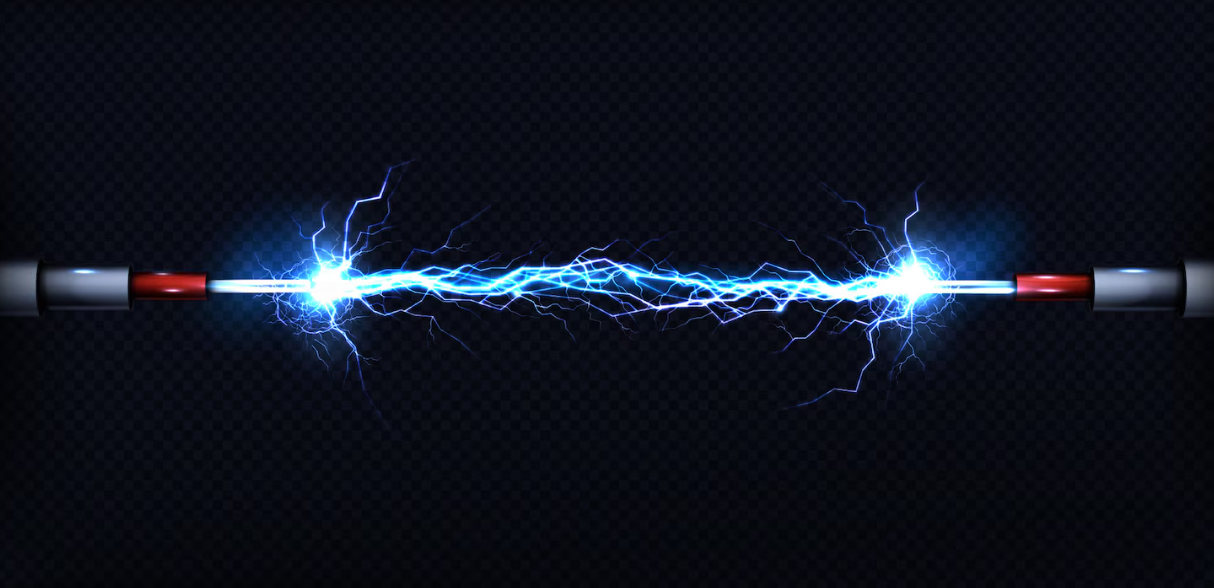
Picture this: you've got a copper wire with billions of free electrons just hanging out. Apply voltage, and those electrons start drifting in one direction. That's your electric current. It's not like water flowing through a pipe - electrons don't really "flow" in the traditional sense. They bump along from atom to atom, creating a chain reaction effect that moves energy through the conductor.
The better the conductor, the less energy is lost in transit. Copper and aluminum make this happen efficiently. Size matters too. A thin wire trying to carry too much current is like forcing a river through a garden hose. The wire heats up, wastes energy, and can become a fire hazard. Proper sizing ensures electricity moves safely from the power source to wherever it needs to go, whether that's across town or just across your living room.
Factors Affecting Conduction Efficiency
A bunch of things determine how well a conductor does their job. Material choice is obvious - copper beats steel any day. But the physical dimensions matter just as much. Thicker conductors have more space for electrons to move, which drops resistance. It's why high-voltage power lines are so beefy.
Temperature comes back into play here. Cold conductors work better than hot ones. That's just physics. Length adds resistance too. The farther electricity has to travel through a conductor, the more resistance it faces. Ten feet of wire has more resistance than one foot of the same wire.
Purity's another factor people forget about. Impurities in the metal create obstacles for electron flow. That's why high-end audio cables sometimes use ultra-pure copper - though whether you can actually hear the difference is debatable. The point is, cleaner material conducts better.
Practical Applications of Electrical Conductors
Conductors run pretty much everything electrical in modern life. Power transmission is the big one. Electricity generated at a plant needs to travel miles through conductors before it hits your house. Those transmission lines are carefully engineered to minimize loss over long distances.
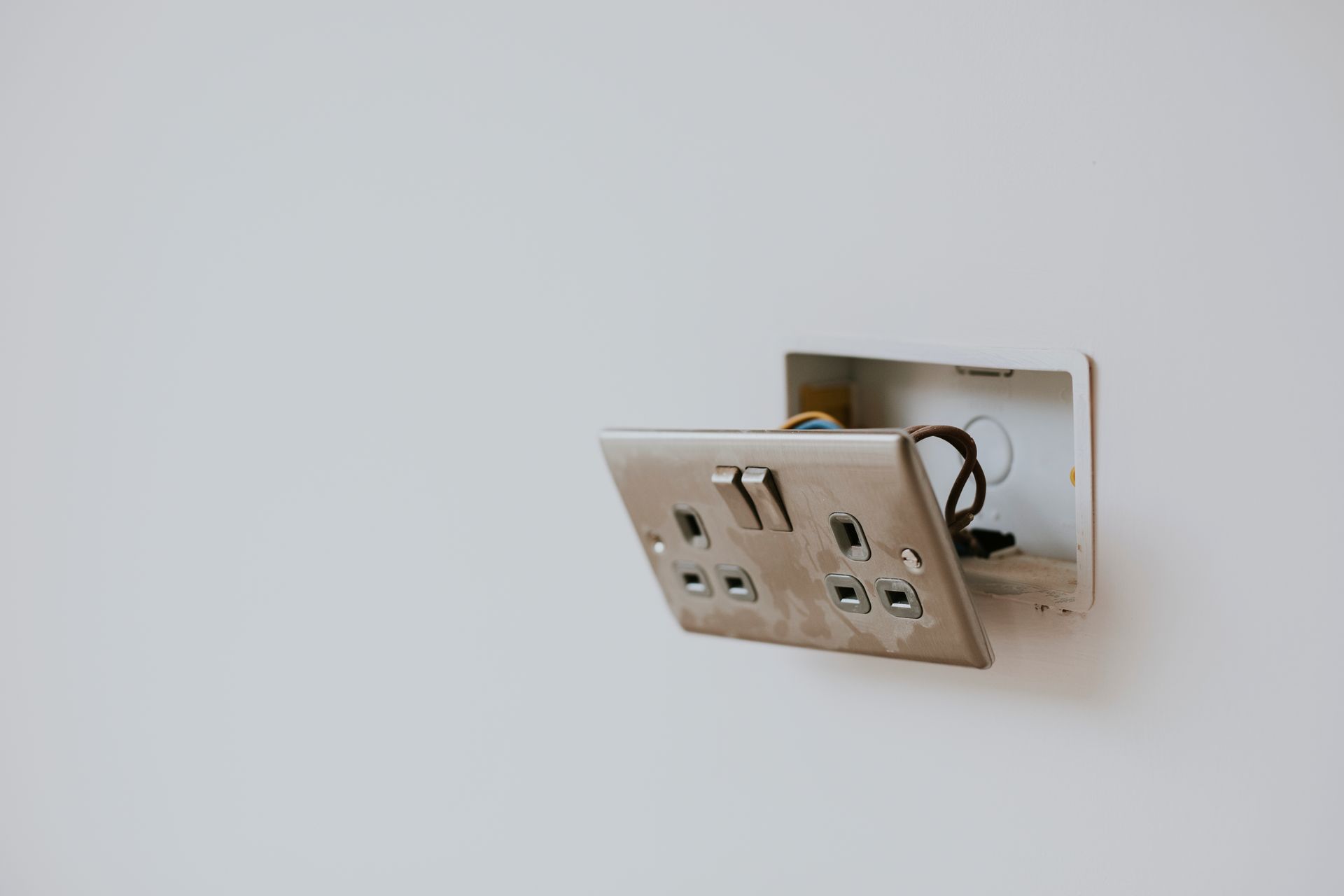
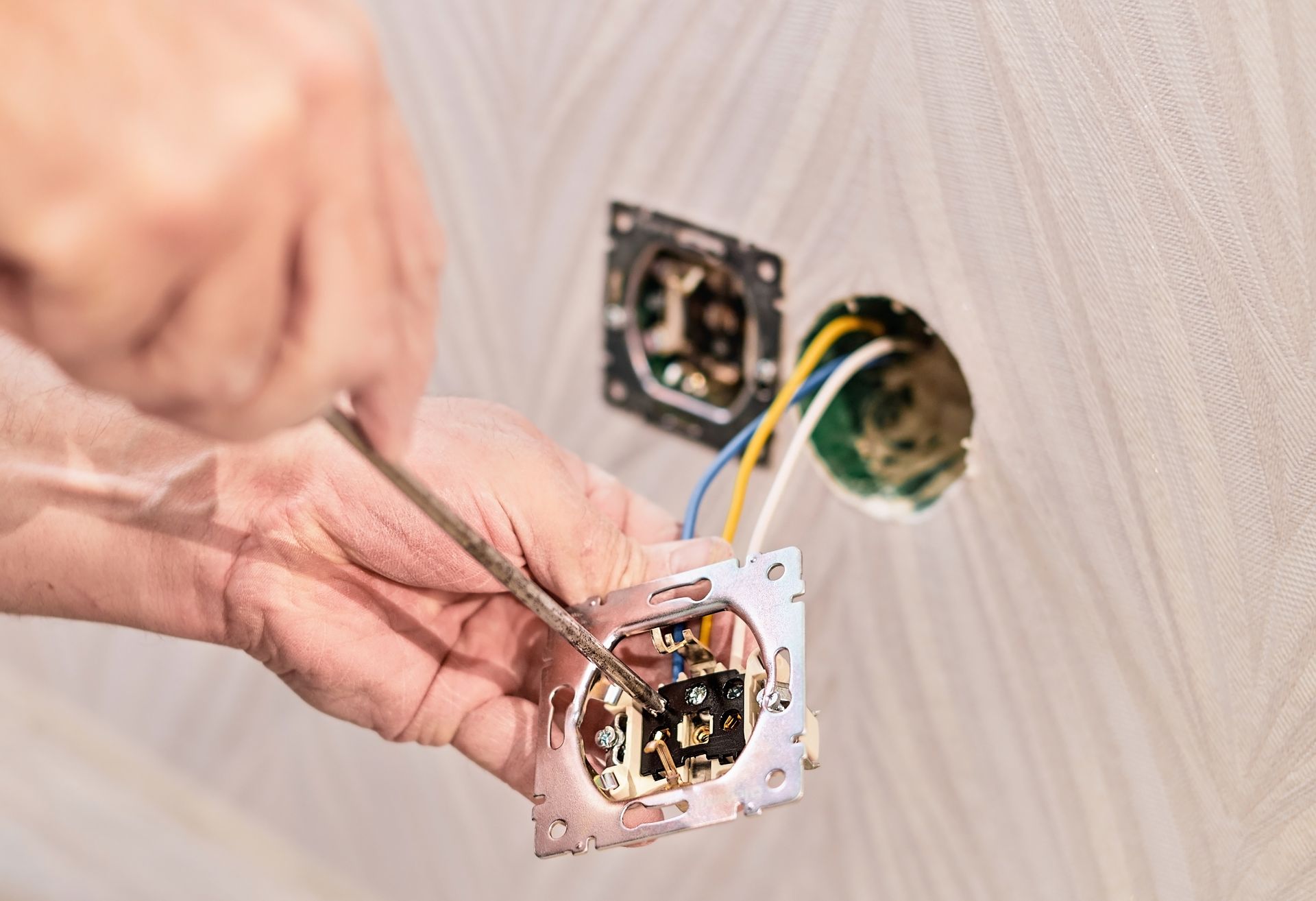
Inside buildings, conductors connect everything. Your walls are full of copper wiring linking outlets, switches, and fixtures into functional circuits. Every time you plug something in, conductors are routing power to make that device work. Your car's electrical system? Conductors. Your computer's circuit board? More conductors.
Grounding systems use conductors for safety rather than power delivery. They create a path for stray electrical charges to dissipate harmlessly into the earth instead of through your body. It's an often-overlooked application that prevents electrocutions and equipment damage. Not the sexiest use case, but definitely one of the most life-saving.
Related Topics:
- What Is Electrical Current in Simple Terms
- How to Wire an Electrical Outlet for Beginners