What Is Electrical Current in Simple Terms?
Most people don’t think about electrical current unless something stops working. A light flickers, an outlet fails, or the power cuts out, and someone starts calling around for reliable generator dealer services. That moment usually raises the same question: What is electrical current, really? This article walks through the idea in everyday language, focusing on how it works in real life rather than how it looks on a chalkboard.
Definition of Electrical Current
Electrical current is the movement of electric charge through a material that allows it to pass. Inside household wiring, that charge is carried by electrons moving through metal. The amount of charge moving at a given time is measured in amperes, often called amps. Some power sources keep that movement going in one direction, while others cause it to reverse direction over and over. Both are normal, and both show up in different parts of daily life.
How Electrical Current Works
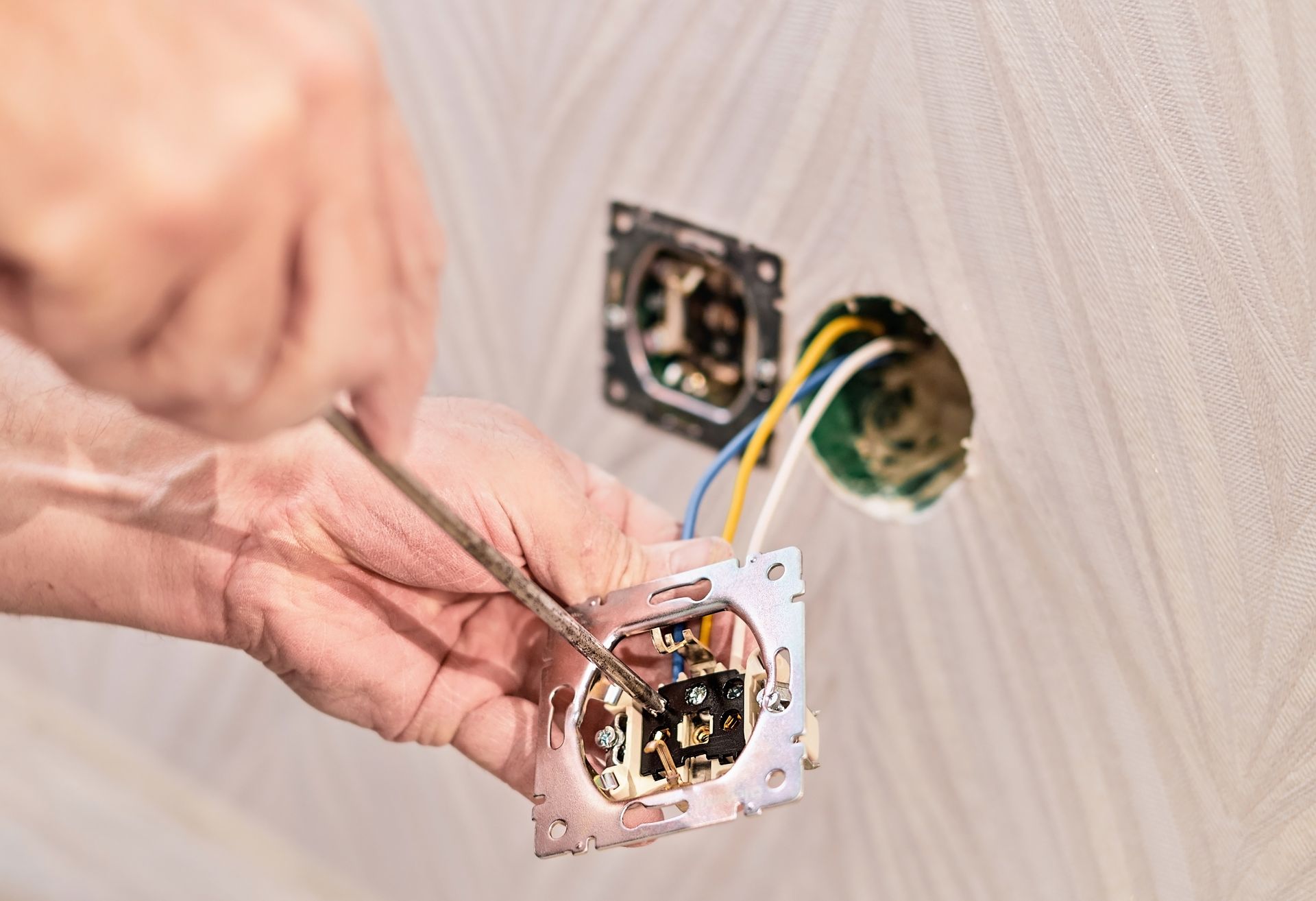
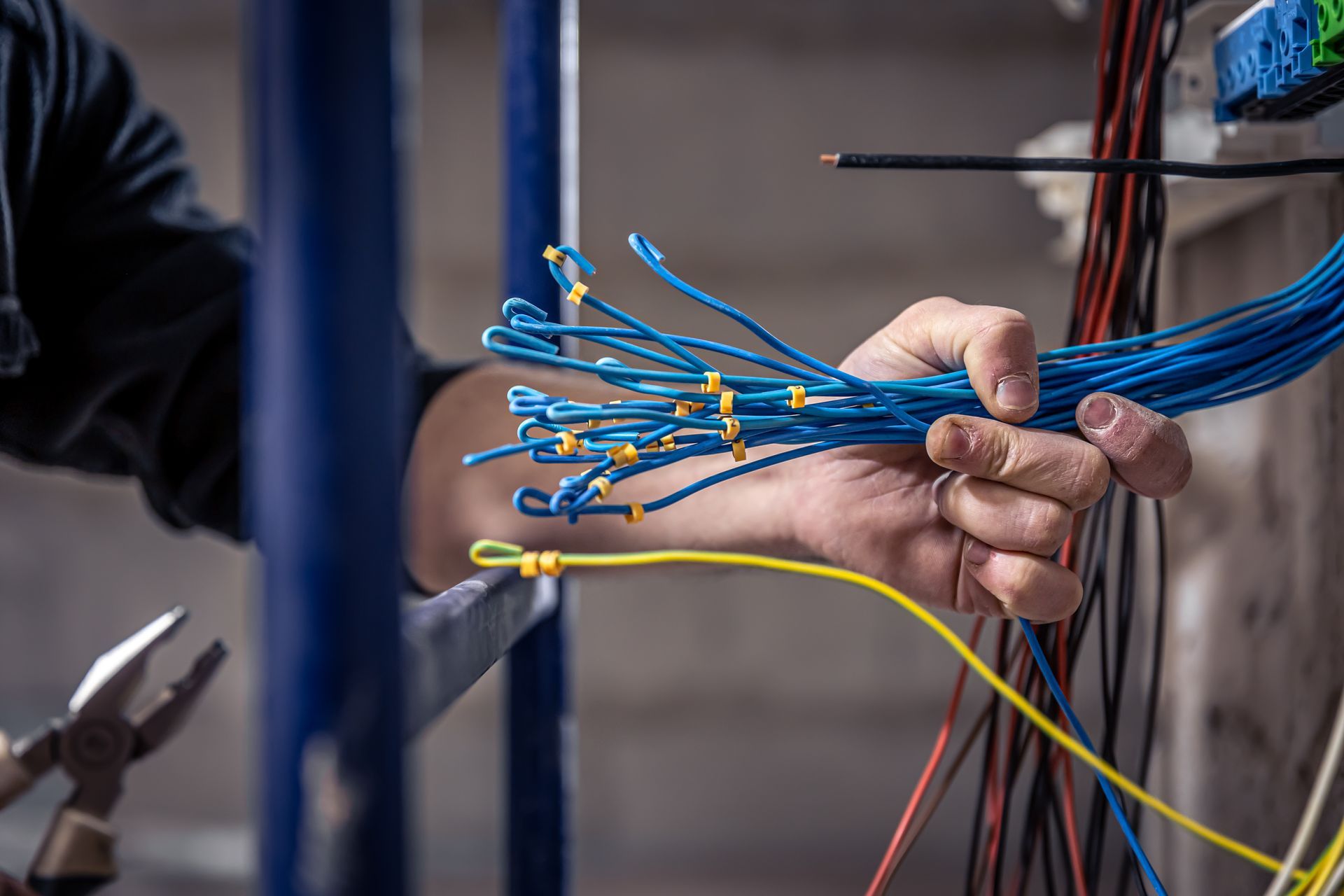
Current only flows when there is a complete path. Once power is present, electrons start moving through the wire instead of staying put. That motion continues until the path is broken. Turning off a switch, unplugging a device, or damaging a wire stops the movement immediately. The power source creates the push, and the wiring provides the route.
Types of Electrical Current
Electrical systems usually rely on either direct current or alternating current. Direct current travels in one direction and is commonly found in batteries and small electronics. Alternating current changes direction many times each second and is what powers homes and buildings. Both types remain in use because certain equipment simply works better with one than the other.
Measuring Electrical Current
Measuring current helps confirm that a system is working safely. Some tools are connected directly into a circuit to read the flow of electricity. Others check the current without touching the wire by sensing the magnetic field around it. These readings help spot problems early, such as overloaded circuits or failing components.
Factors Affecting Electrical Current
Several things influence how much current moves through a circuit. Resistance slows electrons down and creates heat. Voltage affects how strongly the charge is pushed along the path. Heat can change how materials behave during extended use. The material carrying the current also matters, since some allow easier movement than others.
Practical Applications of Electrical Current
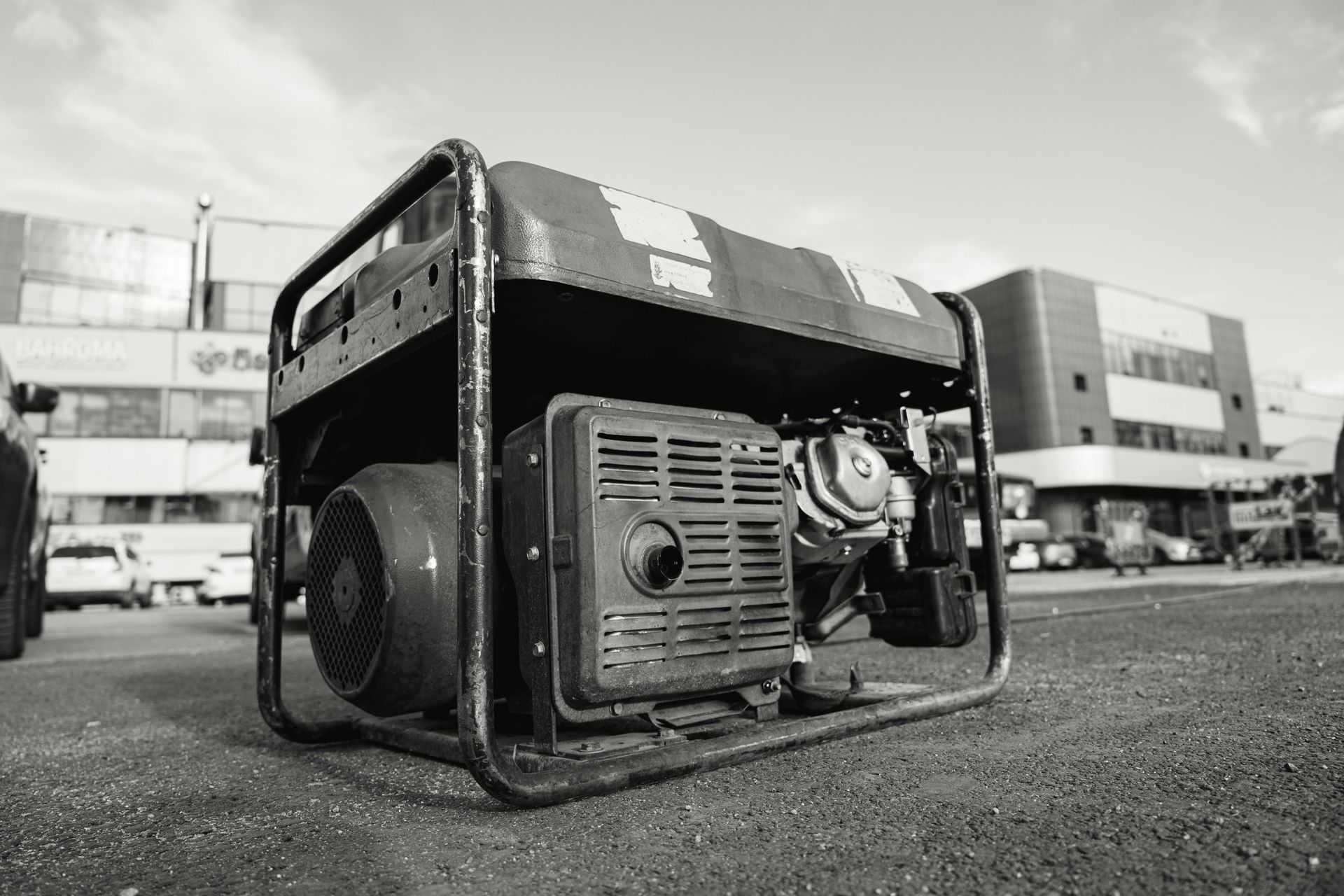
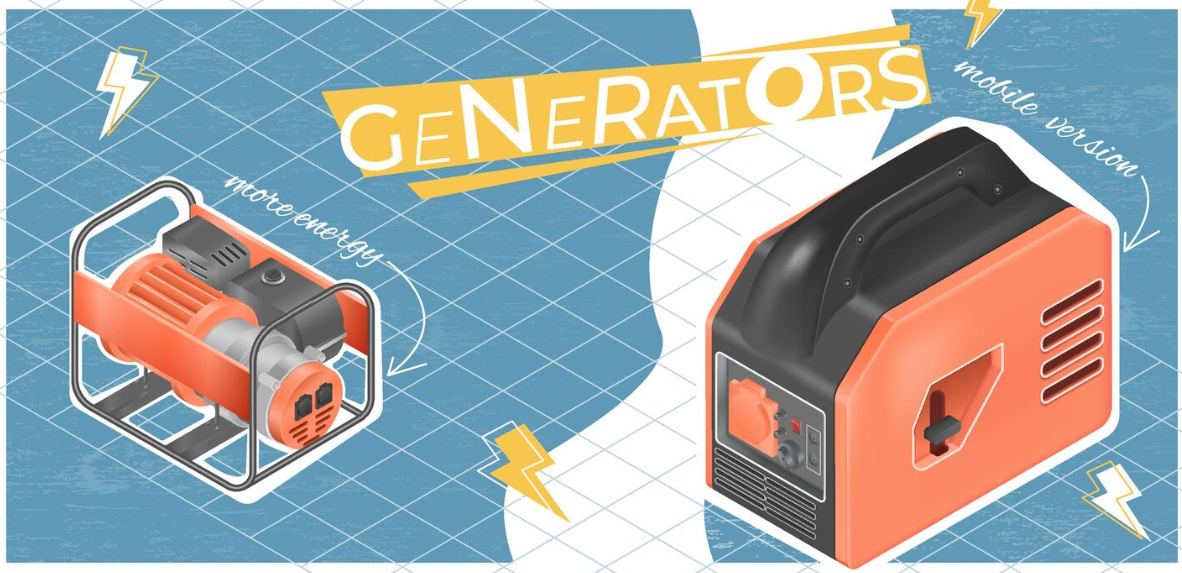
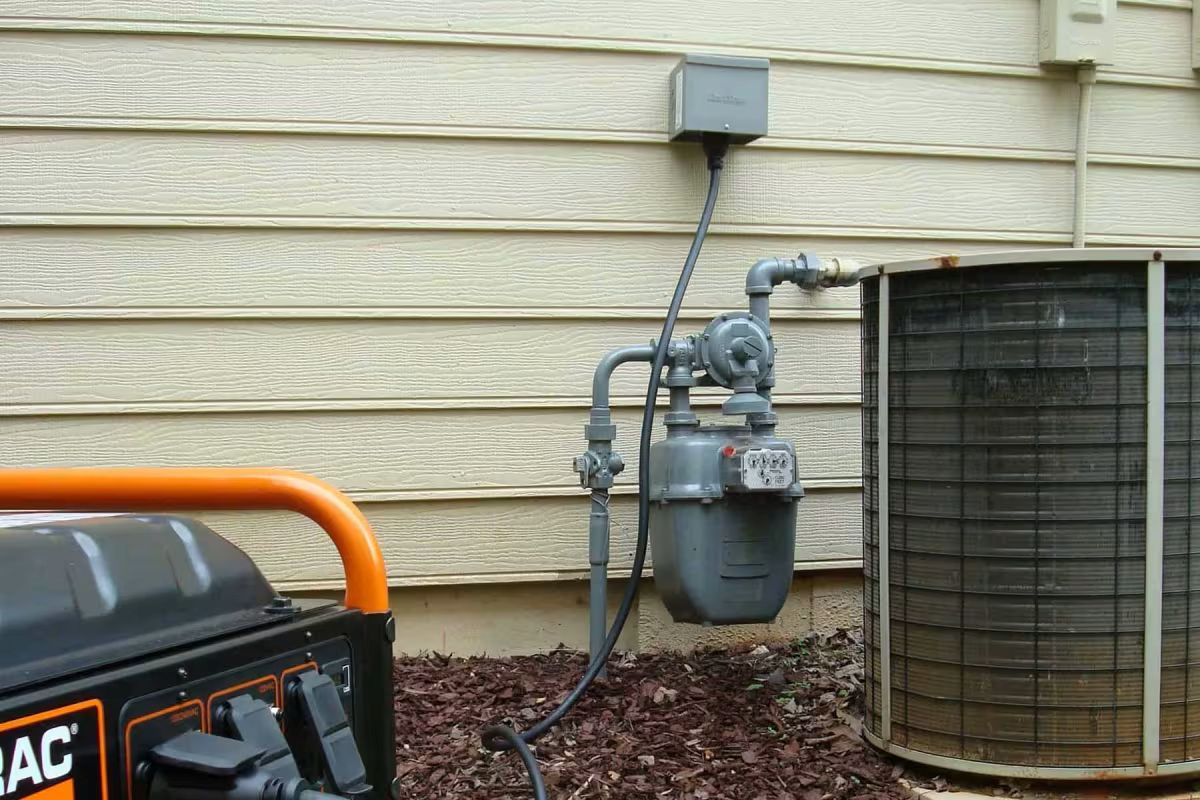
Electrical current is what keeps modern life moving. It powers homes, runs tools, supports communication systems, and keeps equipment operating when grid power is unavailable. Power plants, generators, and batteries all rely on the same basic principle. No matter the source, electrical current is what allows energy to travel from where it is produced to where it is needed.
Related Topics:
- How to Wire an Electrical Outlet for Beginners
- What Is an Electrical Circuit in Simple Terms